
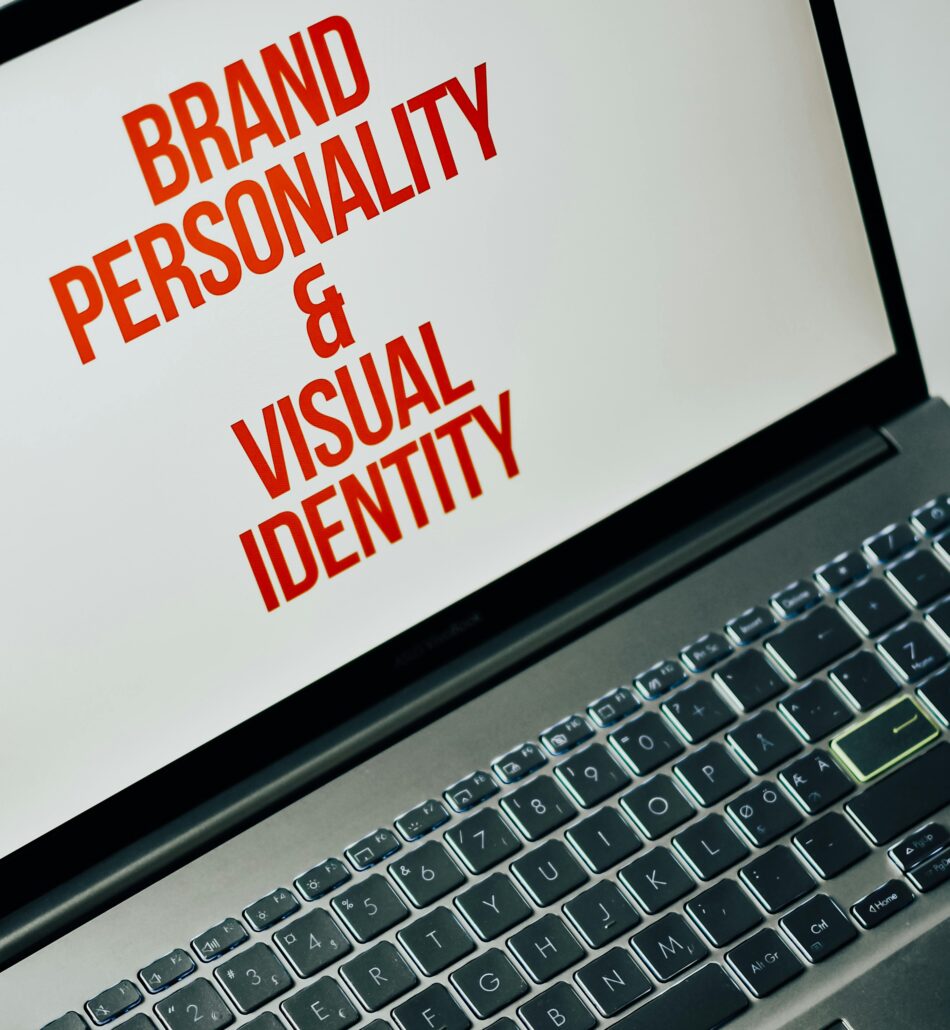
Building a Brand – based on your team
Brand is an essential, much misunderstood pillar of all businesses. HDK have always prided themselves on being outstanding Brand Ambassadors, and now, as we work closely with Behaviour Change Counsel, we have learned the importance of blending your company identity with ‘work placed behaviour’. In fact, it’s crucial.
What is “Brand”?
We often find that new clients to us confuse Brand with Logo. In many cases Brand is an intangible quality, found only when your clients can identify you from your company’s behaviour. For example, the McDonalds logo is the golden arches, but their Brand is that they serve cheap, hot food quickly, replicated across the globe. So, if you were to have a raw burger or fries that were still frozen, you would likely tell at least 10 people about it, and the brand would be damaged. Similarly, if you go to a Michelin starred restaurant for a celebratory meal, and the food is clearly pre-cooked and microwaved, made from cheap ingredients and badly served, the same would happen and the business would be in peril. It would be the brand that would be affected – the logo would remain the same. Google reviews are a particular hotbed of ‘brand damage’ – or equally, ‘brand building’, and so should be taken seriously.
What do you mean by “work placed behaviour”?
Marketing is a many faceted tool, which, in simple terms, works both internally, and externally of your company. It works hand in hand with your brand. So, to remain with the McDonalds analogy, imagine if you turned up for your food, and the staff were smoking on site, filing their nails, in their own clothes, or met you with “…what the hell do you want?…” instead of their traditional “…how can I help you?…”. We certainly have experience of going to work in companies and, on a walkabout induction, have been advised to ‘avoid’ certain people or point out who the ‘troublemakers’ are. Who does such behaviour reflect upon? Similarly, what if one member of staff seems to “get away” with more infractions than others? What is the impact of that behaviour throughout the company? Then, of course, further consequences could develop dependent upon the responses of Managers and Directors, which may once again affect the brand. Behaviour is contagious – both negative and positive. Underestimate it at your peril.
Some basics for a successful brand build…
Three of the most essential things you should things you should bear in mind are image, behaviour and journey.
Image.
This is/should be the easiest of the three to endorse, as it is the most visible – because your company will likely have some form of dress code or even a uniform or standards of presentation. It is the employee’s responsibility to present themselves to the required standard, and in accordance with work placed policy. Think for a moment what sort of employee would continually flout your appearance policy – is this someone who is a ‘fit’ for your company? Apply this again to the fast-food giants, and I wonder if the third-party delivery drivers who bring it to your door are actually ‘on brand’ with what they wear, or even regarding corporate standards of hygiene, but that’s a whole other issue. Finally, consider a member of staff who wears your uniform to and from work. What if they do some shopping on the way home, and become aggressive or inappropriate in the shop? Those present will notice the brand they wear on their company fleece, and, of course, everyone has a camera and access to social media now, so……
Behaviour.
Engage with your staff. Years ago, when Easy Jet was first launched, the staff were all issued uniform and given ‘Induction Training’, or onboarding as it would now be called. At the end of their training, the message from the company CEO was simple. “…I want you to FEEL orange…”. The brand behaviours were so ingrained in the team that everything they did was based on being orange which was a very strong endorsement of brand. However, all businesses have policies (some of which lie dormant in lever arch files in drawers) which, when correctly written, will create the whole skeleton of your organisation – regardless of size – and therefore are a superb tool for helping build, protect and develop your brand. The key here is to endorse these policies by bringing them to life – NOT by sitting them in a room with a computer for an electronic on-boarding experience – but by gathering the team together and delivering them as a living document. Staff feedback from such sessions is invaluable, and team building as a by-product is tremendous. As an employer you have the right to expect certain standards, because you know that once your brand is damaged, repairing it can be very difficult. In 1991, Gerald Ratner, CEO of Ratners Group who had jewellery stores across the country, branded his own products “…total crap…” during a speech. This heralded the immediate end of his hitherto lucrative business.
Journey.
Imagine your company has employed the services of a “secret shopper”. This person’s job is to find the cracks, the weak spots and areas of underperformance (we know because we have used them) and then give a structured report back to the Directors.
What benefit does it bring to my business?
In summary.
Imagine that every person who phones, emails, visits your website or meets with you is going to write a review on google. Instinct dictates that your clients will make an immediate judgement based on first impressions of you, your office, your staff, your car, your website, your telephone manner… It’s a bit like whenever you go out in public you should always assume that you will be on CCTV!
Finally, Helen Denby-Knight, our Director is quoted as saying; “We can sum up brand as being a proud, engaging mindset that operates internally and externally – and responds positively to well-founded feedback…”
Positive mindset. Invest. Indulge. Listen. Respond.

Leave a Reply
Want to join the discussion?Feel free to contribute!